

Anatomy of a Master Vinyasa Yoga Class - Part 1
Discover the key elements to a master vinyasa yoga class.
Have you ever experienced an excellent vinyasa yoga class and wondered why it was so darn good?
Maybe you have a teacher you love because there is something so special about their vinyasa class, but you can't quite figure it out. I remember attending some teachers classes and saying, "I don't know. There's just something about their class that makes me feel so good."
The more I study the art of teaching vinyasa yoga, the more I realize that behind those excellent classes, there is a very skilled, intentional teacher. The art of teaching vinyasa extends beyond merely leading students through physical postures. It’s about crafting an experience that transcends peoples’ bodies and nurtures their mind and spirit.
There are elements of a masterful vinyasa yoga class that make it possible for students to experience something beyond the physical postures. In this article, we will dissect the elements of an exceptional vinyasa yoga class and give you insights to elevate your teaching.
YOU can create a truly remarkable experience that your students are craving!
1. Set and Keep the Intention

A masterful Vinyasa yoga class establishes a clear intention that will leave students with one key takeaway. The skill of sticking to one theme gets more difficult when you have a lot of knowledge and experience in yoga. I have been guilty of trying to share everything I know and love about yoga (and anatomy) in a 60 minute class. This results in the delivery of a lot of random information with no clear intention. Instead of trying to convince your students that you are a masterful teacher by sharing all your knowledge, choose one intention and stay focused on it. Aim to have students feel deeply connected to that one intention through their own personal experience.
How do you know what intention to set? Consider the possibilities are endless! You can use a life experience, a word, something from a yoga book, one key anatomical focus, a quote, or just about anything else to theme your class. The key is to stick to the theme without overkill. Remember, students typically come to vinyasa yoga classes to move their bodies. Keep a balance between cuing to the physical practice and talking to the theme of the class.
Important Note: If you theme a class based on your own personal life experience (or practice), make it about the students -- not you!!
2. Intentional Sequencing
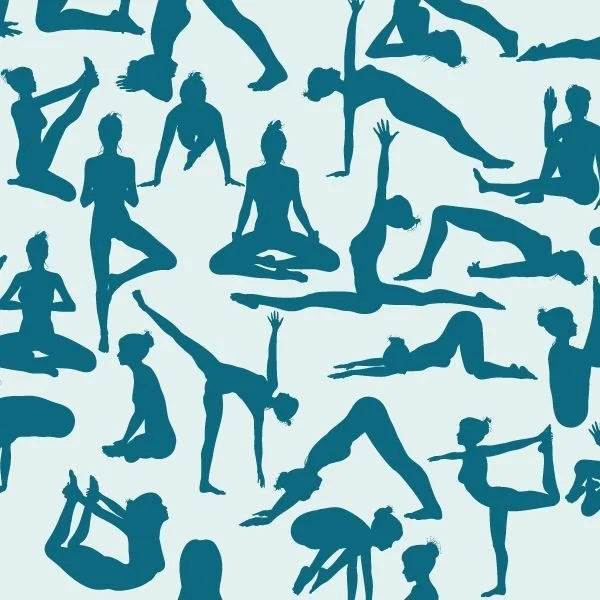
You have probably experienced classes with great sequences and others that just didn't make sense, feel good, or flow. When a sequence is informed by functional anatomy, it will leave your students feeling great! A randomly grouped series of postures may leave your students feeling confused and less focused. Here's the thing: Crafting a vinyasa yoga sequence informed by functional anatomy is a skill, and certainly one that can be learned with guidance and practice. A better understanding of anatomy is key here.
It's common for yoga teachers to think that the more creative they get with their sequence, the better the class will be (or at least the better it will be liked). While there is certainly a place for creativity in sequencing, a basic and intelligently crafted sequence is often more effective. As students experience the seamless flow of poses tailored to their bodies, they build trust in your expertise and the transformative potential of the practice becomes evident. They will come back to your class because of how they feel, not because of how creative you are or are not.
3. Element of Flow
At the heart of a Vinyasa yoga practice is its characteristic “flow”. While some people consider “flow” to be the movement of one posture to another linked by breath, there is much more to it.

A masterful vinyasa yoga class does more than bring people through a flowing sequence; it brings people into a state of flow.
The waves of the ocean and the streams of the Earth's rivers flow. The flow may speed up. slow down, rise, or fall. I know when students are in a state of flow in a yoga class, because I feel it. There is a real sense of power balanced with ease; focus that is balanced with freedom to move in ways that feel natural. The students are in the present moment as opposed to drifting off. Wether I am practicing or teaching, if I am in the state of flow, I get a sense that I am alive and nothing else really matters. Concern about what I look like or if I am good enough are simply not present. From this space of flow, I have freedom to be creative and express my unique and authentic self.
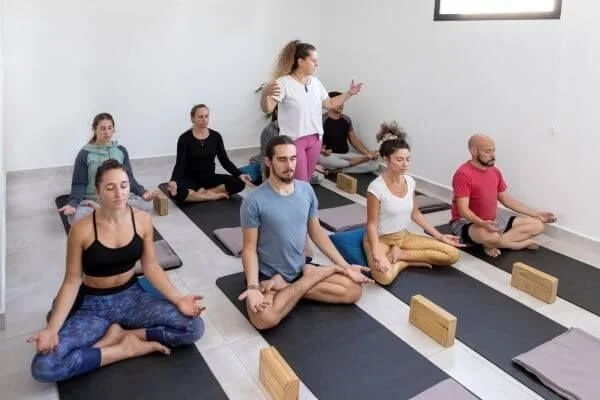
Have you ever experienced a Vinyasa yoga class where the element of flow is truly present? You probably want to lead classes that bring you and your students into the state of flow. And you might be wondering how you can make it happen!
It starts with a focused intention and a good sequence, and goes way beyond that. You can learn how to create flow in your classes!
The elements described above are all part of a master vinyasa class in which students experience the state of flow. A focused theme or intention helps create a state of flow. When you guide people towards one thing (rather than many), their energy gets focused towards one thing rather than scattered towards many. Focus helps create the state of flow. Similarly, an intelligent sequence allows students experience flow in each posture and in the transition from one posture to the other.
There are other components needed too. The most obvious might be the use of breathe. This is indeed a key aspect of a great vinyasa class. But, just like any other types of cues, breathe cues need to be intentional and used with purpose. And ultimately, none of the cues matter if the teacher is not present and confident!
Ready to teach yoga with confidence?
Discover Power to Lead 200-Hour Yoga Teacher Training in Lisbon, Portugal. Led by Dr. Trish Corley - the only yoga teacher training in Portugal taught by a Doctor of Physical Therapy.
[Learn more about the 200 hour yoga teacher training in Lisbon]
About the Author
Dr. Trish Corley, PT, DPT (physiotherapist), E-RYT 500, is the founder of Yoga Anatomy School and a former anatomy professor with over 23 years of clinical experience. She has been teaching and mentoring yoga teachers in anatomy and biomechanics since 2012.
Explore the Yoga Anatomy Online Course at TrishCorley.com/yoga-anatomy-course.
For more articles and insights, visit TrishCorley.com.