Anatomy of a Masterful Vinyasa Class - Part 2
 Trish Corley
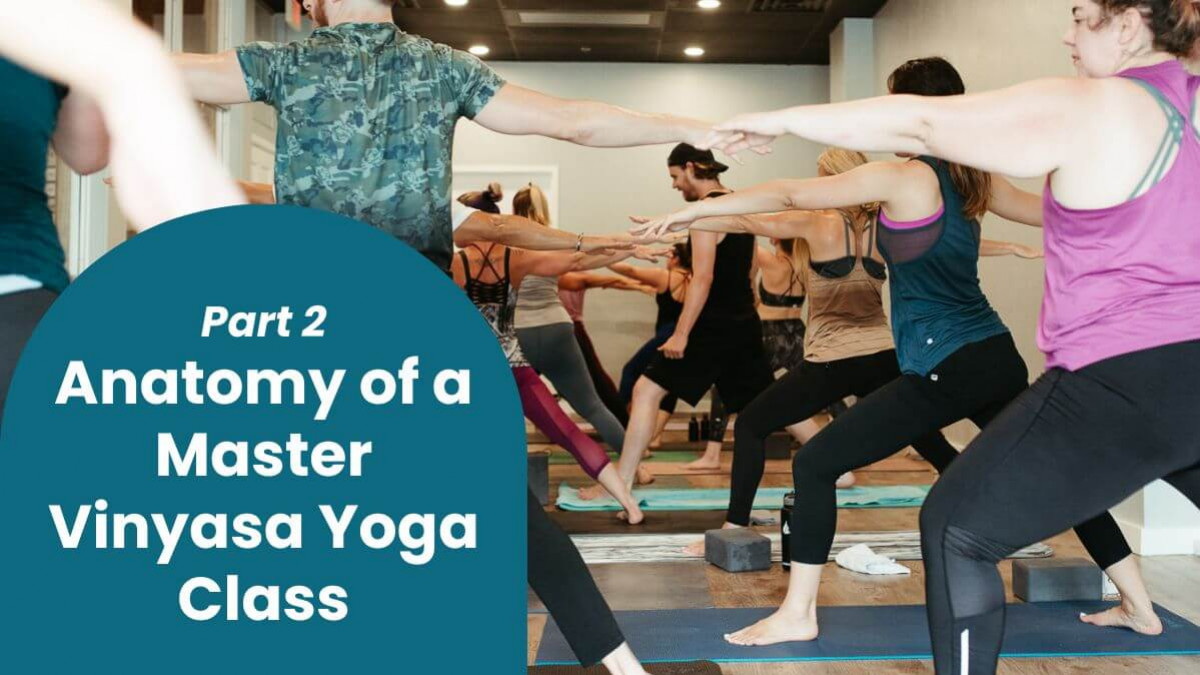
The keys to creating a state of vinyasa flow.
The difference between a masterful vinyasa yoga class and an average one is the element of flow!
.
But here's the thing; Creating a state of flow in a vinyasa yoga class consists of a lot more than simply linking one posture to another. It also goes beyond just linking breath cues with the postures. Ultimately, a masterful class is created when yoga teachers are willing to learn and practice the skills of involved in created an excellent vinyasa experience for students.
.
In this article we will dive into some of the elements and techniques that yoga teachers can use to masterfully create the state of flow in a vinyasa class. This 2 part article is titled The Anatomy of a Master Vinyasa Class, because there are several components required to create a great vinyasa class. The articles attempt to break those parts down in a similar way that we break down parts of the body to better understand them. It is important to note that just as all of the anatomical parts of the body actually work together for optimal human function, the parts of a masterful yoga class must be brought together for an optimal class.
.

In Part 1 of the Anatomy of a Master Vinyasa Yoga Class, we looked at some key aspects of a masterful vinyasa yoga class. A clear intention is a place to start. "A masterful vinyasa yoga class establishes a clear intention that will leave students with one key takeaway." The importance of intentional sequencing was also discussed. When a sequence is informed by functional anatomy, it will leave students feeling great! The end of Part 1 article was about the importance of creating the state of flow and we will look at that closer here!
.
While theming classes and creating anatomically sound sequences may be challenging, the art of creating the state of flow is even more nuanced.
.
What is most essential in order to create a state of flow is true presence - by the teacher and the students. So the real question is, how do you create presence?
.
Presence is a gift that yoga teachers offer to students. When teachers show up fully present, they create an environment where each individual feels valued and supported. Attentive presence extends beyond teaching physical postures. It's about truly seeing their students, acknowledging their efforts, and holding space for their growth. By embodying presence, yoga teachers creates a safe haven for exploration and self-expression.
.

The key to showing up fully present is confidence. If a teacher is worried about their sequence, concerned about their students judging them, or feeling like an imposter, there's a good chance the teacher will be stuck in their head, and therefore not present to the students. This is why having one key intention and a proven sequence can ultimately create flow. If a teacher is confident about the intention and knowledgeable about their sequence, they can be present and teach in a way that is needed in the present moment. That presence truly helps create the element of flow.
.
What else creates the element of flow? We cannot overlook the power of the breath as a key component of creating flow.
.
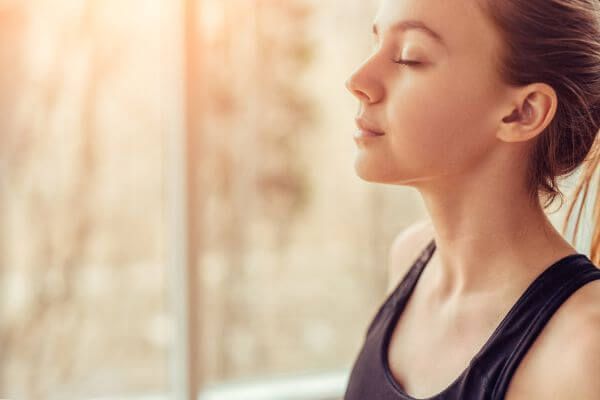
Breath is the bridge that unites the physical and mental realms of yoga. Guiding students to intentionally synchronize breath with movement amplifies their mind-body connection. By encouraging intentional breath, yoga teachers facilitate a sense of focus and steadiness. The intentional breath work transforms the practice into a moving meditation, fostering a profound state of presence and self-awareness, and ultimately flow.
.
It is essential that the teacher is present to the breath and fully aware of effective ways to guide the breath. I've experienced vinyasa yoga classes in which the teacher says "inhale" or "exhale" before every single posture. While this technique may have value, it can also be used a crutch for the teacher. There's really no reason to say "inhale" or "exhale" unless it is intentional. And if students are already breathing and the teacher is saying the breath cues anyway, it's probably not intentional. When any word is overused, it usually gets lost. My point is this: While rhythmic and intentional breathing is essential to creating a state of flow in a vinyasa class, the teacher needs to hear and be present to the breath in order to know when and when not to cue the breath effectively!
.
Cues have the ability to create the element of flow or block it!
.
A successful vinyasa class is facilitated by an instructor who provides clear and effective cues. The guidance offered during the practice is like a compass, helping students navigate their journey on the mat. Effective cues not only ensure that students explore optimal alignment and prevent injury, they also deepen the experience of being present and therefore add to the element of flow. A skilled yoga teacher has the ability to look at the students in front of them and choose cues based on what they observe in the present moment.
.
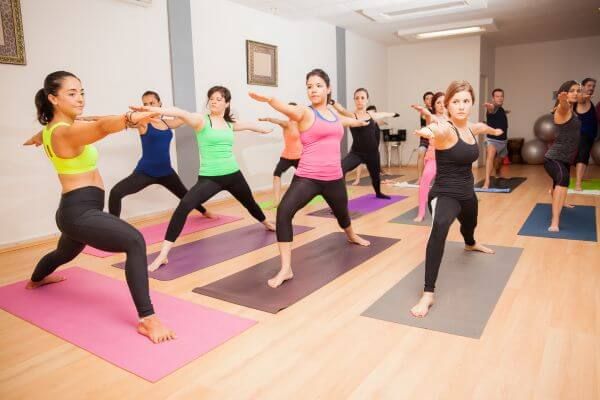
When a teacher is on their mat practicing the postures or simply running through a list of memorized cues, they may create a good experience for some students. However, unless a yoga teacher is standing up and present to what their students are doing in the present moment, the element of flow will be limited or non-existent. Ultimately presence and flow require the teacher to be connected to the students in each moment of the class!
.
True connection from yoga teacher to students gets created when teachers are purposeful with introductions and in observing the students in front of them. It typically requires confidence to effectively connect with students. If connection helps create a state of flow and confidence is needed for connection, maybe it all comes down to confidence. And confidence is essentially the ability to be your authentic self without concern of what others think.
.
Can you sense the interdpendence of the elements of a masterful vinyasa yoga class? They are all connected! Take a look at this list of elements of a masterful vinyasa yoga class
- Focused Intention/Theme
- Intentional (anatomically sound) Sequencing
- Element of Flow
- Synchronized and Intentional Breath
- Presence
- Clear and Effective Cues (chosen in the present moment)
- Confidence
- Connection
.
That sure is a lot and it's certainly not a fully comprehensive list. Some teachers use music, stories, and other techniques to create flow. Ultimately, there is science behind a masterful vinyasa class, and it is certainly an art too. For me, this is really exciting. Similar to how artists learn the basic element of their craft, yoga teachers need to learn and understand what the key elements of a vinyasa class are. From there, they get to be their authentic selves and create masterful classes.
.

If you feel lost or overwhelmed by all of the elements of a masterful vinyasa yoga class, you are not alone. I remember going through a vinyasa certification program. I attended mentor teachers' classes and experienced true flow, but felt lost on how to create it myself. It took patience, practice, and mentorship, but eventually I got it. My mentors helped me break down the elements of creating flow and showed me what to do to make it happen.
That is why I am now offering a mentorship program for teachers who want to better understand yoga anatomy and the art of teaching masterful classes. This mentorship program is what you are looking for if you want to teach yoga with ease and confidence!
.

Categories: : Effective Teaching Techniques